I see many exhibitors ask too late. The booth looks simple. The deadline is close. The risk grows before anyone starts building.
Building a trade show booth can take days on-site, but the full project usually takes much longer. I plan for design, approvals, fabrication, shipping, show paperwork, venue rules, and move-in limits. The real timeline depends on booth size, complexity, show rules, and response speed.
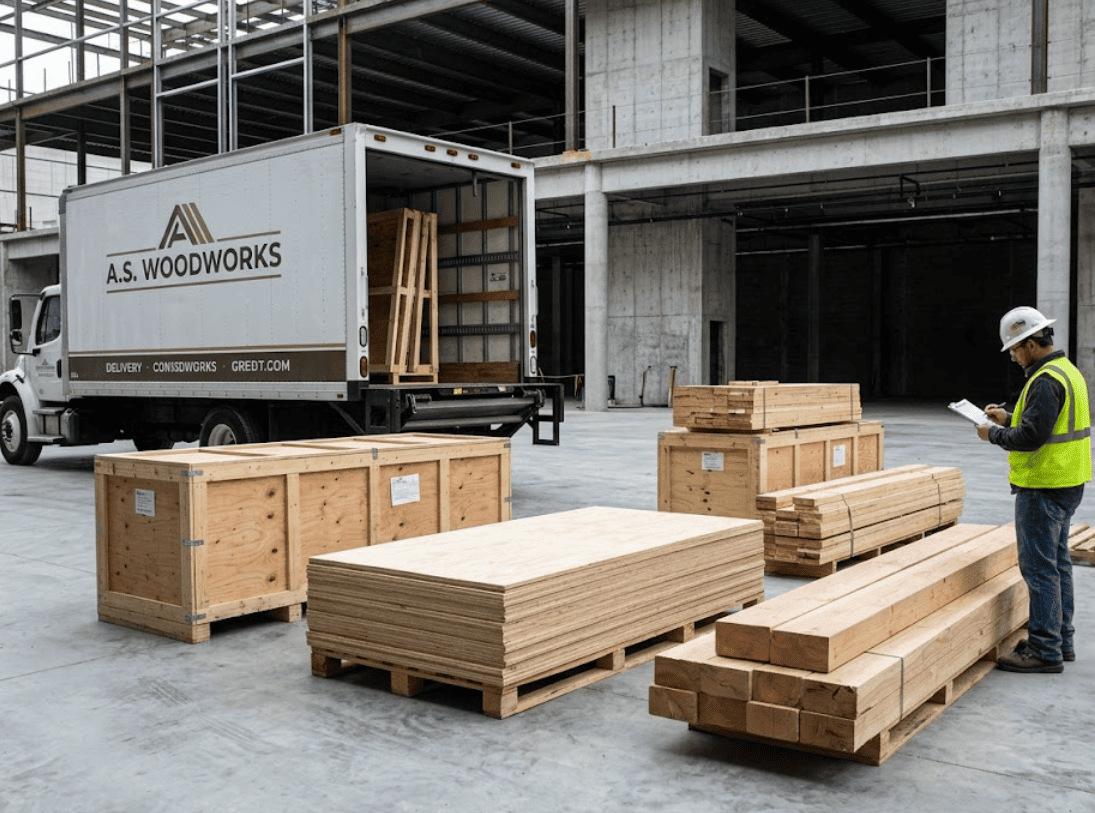
I usually tell clients that the question is not only, “How many days will construction take?” I ask a wider question. I ask, “How early must we start so we can protect the design, the budget, the venue approval, and the on-site build?” I have seen a booth install finish in a few days. I have also seen the full booth project need many weeks because the decisions, show forms, shipping rules, and move-in schedule all had to line up. If you are preparing for a U.S. trade show from another country, this wider view can save you from rush costs, design cuts, and last-minute stress.
What Is The Difference Between On-Site Installation And The Full Project Timeline?
I see this confusion often. The booth may stand in three days. The project may still need months of work before that.
On-site installation is only the physical build during move-in. The full project timeline includes design, revisions, approval, production, freight, show forms, labor planning, venue rules, and dismantling. I separate these two timelines because they carry different risks and different deadlines.
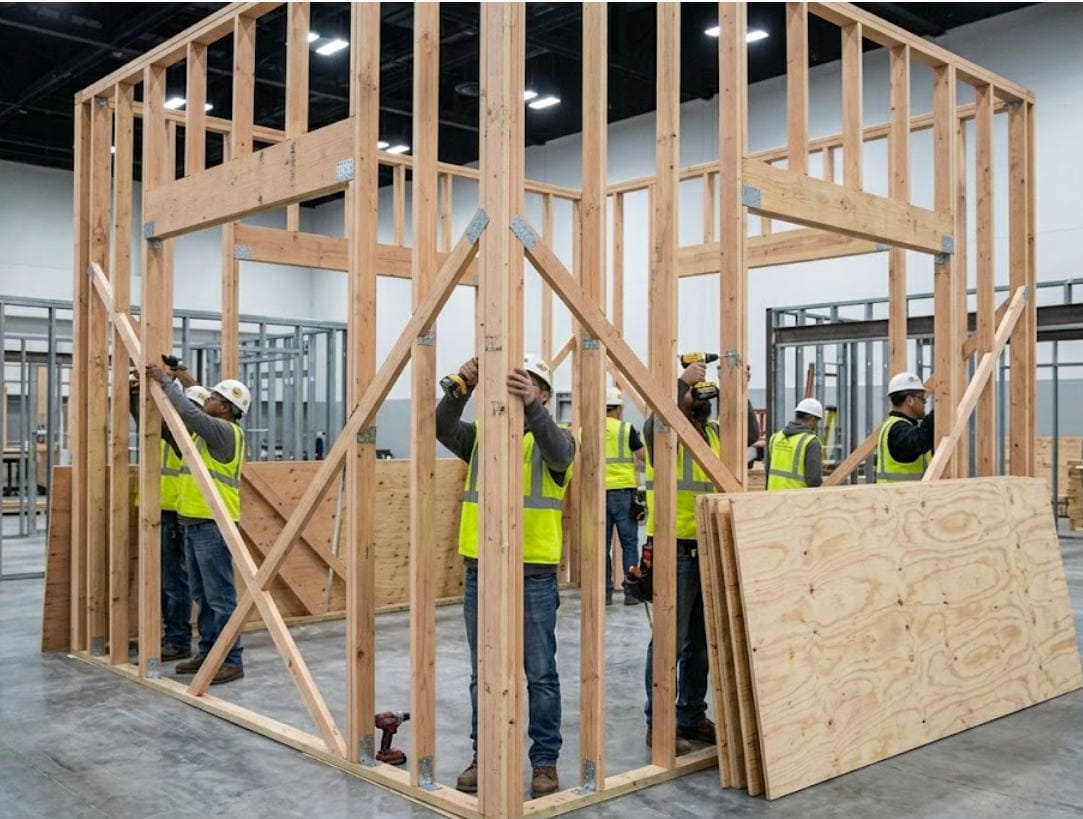
I separate the visible work from the hidden work
When I manage a booth project, I treat installation as the final visible stage. It matters a lot, but it is not the whole job. Before my team arrives at the venue, we usually need a confirmed design, final dimensions, approved materials, production drawings, graphics, freight plan, show manual review, and labor schedule. Each step needs a clear owner. Each step can affect the next step.
I often explain the timeline in this way:
| Timeline Part | What I Include | Why It Affects The Build |
|---|---|---|
| Design stage | Concept, 3D rendering, layout, brand review | I need design clarity before production drawings |
| Approval stage | Internal client approval, budget approval, material choices | I cannot build from an idea that is still changing |
| Compliance stage | Show manual review, EAC rules, fire-related requirements, venue limits | I must match the specific show and venue rules |
| Production stage | Fabrication, graphics, lighting, packing | I need enough time for quality control |
| Logistics stage | Shipping, storage, drayage coordination, move-in schedule | I must match the show’s freight and move-in windows |
| On-site stage | Installation, supervision, issue fixing, dismantle | I need the earlier stages to be complete before move-in |
I do not treat these steps as paperwork only. I treat them as risk control. A booth can be designed beautifully, but the venue may limit hanging signs, fire-related materials, rigging, or installation methods. A booth can be built well, but freight can miss a target date if the schedule is too tight. This is why I avoid giving one fixed answer for every booth. I need to see the booth size, booth type, show city, show manual, production load, and client decision process.
Why Do International Exhibitors Often Need More Time In The U.S.?
I have worked with many international teams. They are organized. They still lose time because U.S. show rules feel unfamiliar.
International exhibitors often need more time because U.S. trade shows may involve EAC requirements, union labor rules, drayage, fire-code review, move-in windows, and strict show manual deadlines. I always tell clients to check the specific show manual and official contractor rules early.
I account for rules that are not always obvious
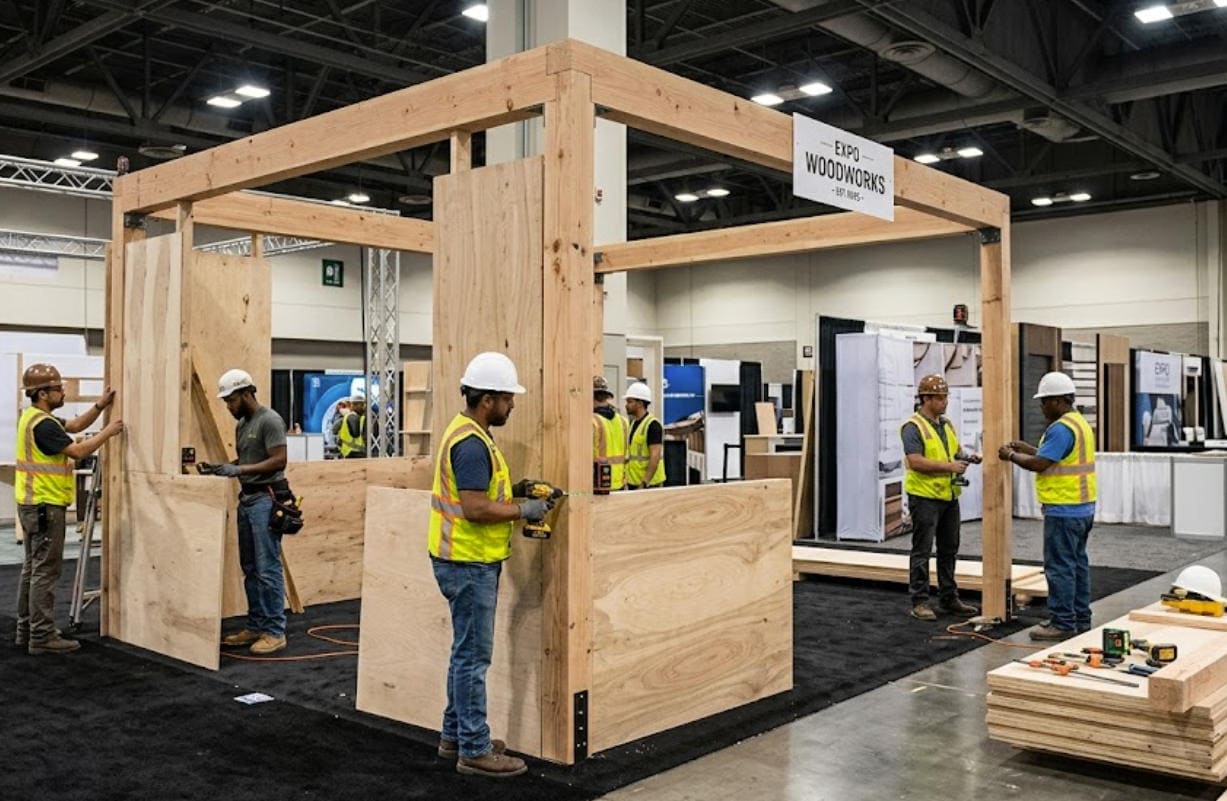
I do not assume that the trade show process works the same in every country. In many U.S. venues, an exhibitor cannot treat the hall like an open construction site. The official show contractor may control parts of freight handling. The venue may have union labor rules. The show may require certain forms before an exhibitor-appointed contractor can work on-site. Fire-related rules may apply to fabrics, wood, enclosed rooms, ceiling elements, or certain display features. The exact rules can change by show, venue, city, and organizer.
I use this simple risk view when I review a schedule:
| U.S. Trade Show Item | Common Timeline Risk | My Practical Response |
|---|---|---|
| EAC paperwork | Late approval can block on-site access | I check deadlines in the show manual |
| Union labor rules | The team may not be allowed to do all work themselves | I confirm labor scope early |
| Drayage | Freight handling cost and timing can surprise teams | I review freight rules before shipping |
| Fire-related requirements | Some materials or layouts may need review | I verify the show and venue requirements |
| Move-in window | The booth may have only certain build hours | I plan installation around assigned access |
I once supported a first-time international exhibitor who had already approved a strong booth concept. The team was capable, and the brand direction was clear. The delay came from repeated confirmation of U.S. rules that were new to them. They needed to understand why the EAC form mattered, why freight could not simply arrive at any hour, and why some on-site tasks had to follow show labor rules. We did not treat those questions as problems. We treated them as normal steps in a U.S. show. The schedule became safer once every rule, form, and deadline had an owner.
Why Does Design Approval Not Always Mean Ready To Build?
I have seen teams celebrate design approval too early. The rendering is approved. The real build details are still not locked.
Design approval means the concept is accepted. It does not always mean the booth is ready for fabrication. I still need final drawings, material choices, graphic files, structural checks, venue review, budget confirmation, and clear change control before production can safely begin.
I treat approval as a gate, not the finish line
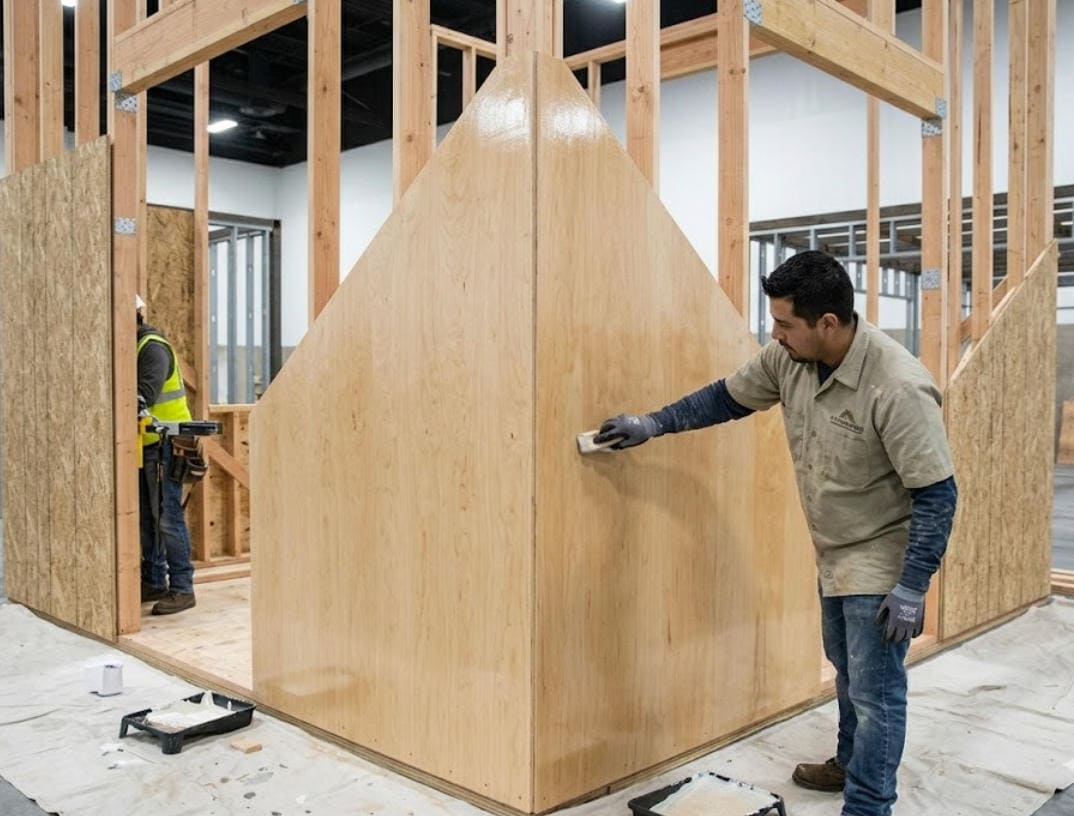
A 3D rendering is useful because it helps everyone see the booth. It does not answer every production question. I still need to know how each wall is built, how graphics attach, how lighting is powered, how storage opens, how products are displayed, and how the team will move through the space. I also need final brand assets. A low-resolution logo or late graphic change can delay production more than people expect.
Here is how I separate design approval from build readiness:
| Stage | What It Means | What May Still Be Missing |
|---|---|---|
| Concept approval | The client likes the booth direction | Final materials, construction drawings, cost lock |
| Brand approval | The booth matches the brand look | Final artwork, logo files, product images |
| Technical review | The booth can be built and installed | Engineering details, power plan, rigging checks |
| Venue review | The plan fits show and venue rules | Show-specific approvals and required forms |
| Production release | The factory can start with confidence | Final sign-off and no open changes |
I have learned to ask direct questions after concept approval. I ask who has final authority. I ask whether headquarters needs another review. I ask whether the product team must approve the display areas. I ask whether the local sales team needs meeting rooms or storage. These questions sound simple, but they prevent late changes. A small change on a screen can become a major change in fabrication if it affects wall structure, wiring, lighting, or booth traffic. This is why I prefer early decisions. Early decisions protect both design quality and cost control.
What Can Change The Timeline After The Booth Plan Looks Clear?
I have watched clear plans shift fast. One late graphic, one freight issue, or one venue note can change the schedule.
A booth timeline can change because of design revisions, slow approvals, material availability, graphic delays, show manual updates, freight limits, drayage timing, production capacity, or move-in restrictions. I watch these items closely because small delays can create larger pressure near the show date.
I look for pressure points before they become emergencies
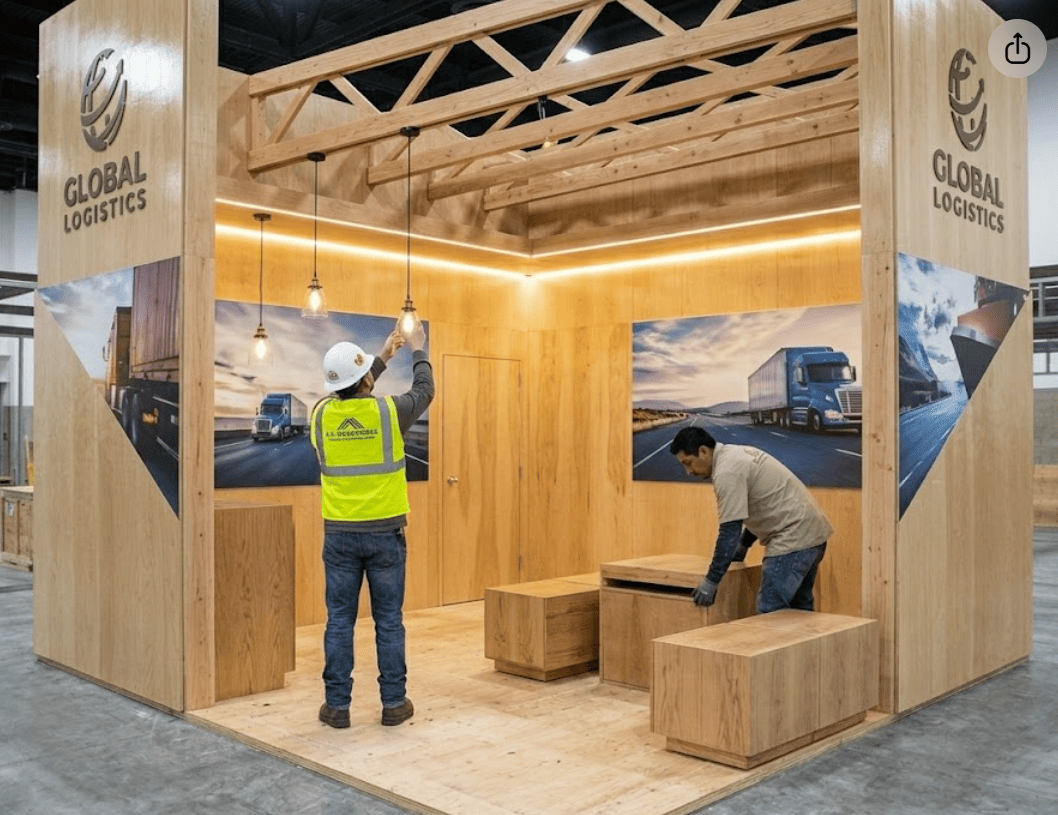
A booth project usually feels calm at the start. The show date seems far away. Then several tasks need to happen at the same time. The client needs to approve graphics. The factory needs final files. The logistics team needs shipment details. The show contractor needs forms. The installation team needs a move-in schedule. If one part slips, the other parts feel the pressure.
I use this table when I talk about schedule changes:
| Change Factor | How It Affects Time | How I Reduce The Risk |
|---|---|---|
| Late design revision | Production drawings may need changes | I set a clear revision deadline |
| Slow internal approval | Fabrication cannot start safely | I ask for one final decision owner |
| Material change | Sourcing and fabrication may shift | I confirm materials before release |
| Graphic delay | Printing and packing can miss schedule | I request artwork early with specs |
| Freight issue | Delivery may miss move-in target | I plan shipping with buffer where possible |
| Show rule change or note | Layout or build method may need adjustment | I review official documents and updates |
I avoid saying that every delay can be solved by working faster. Sometimes rush work can help. Sometimes it only moves the risk from one place to another. A rushed design may miss a compliance issue. A rushed build may reduce finish quality. A rushed shipment may raise cost and still depend on freight windows. I prefer a schedule that gives each team enough time to do the work in the right order.
I also remind clients that the venue schedule controls the final stage. If move-in starts on a certain day, my team must work inside that window. If freight arrives late, the lost time may not be easy to recover. If an approval form is missing, access can become harder. I do not present myself as the final authority on venue, fire, union, or EAC rules. I always check the specific show manual, venue rules, and official contractor requirements.
When Should I Start Planning A U.S. Trade Show Booth?
I get this question when the show date is already close. I can help, but early planning gives better options.
I suggest starting as early as the booth size, show importance, and approval process allow. A simple booth may need less time, while a large custom booth often needs a longer runway. I plan backward from move-in, not forward from today.
I plan backward from the show floor
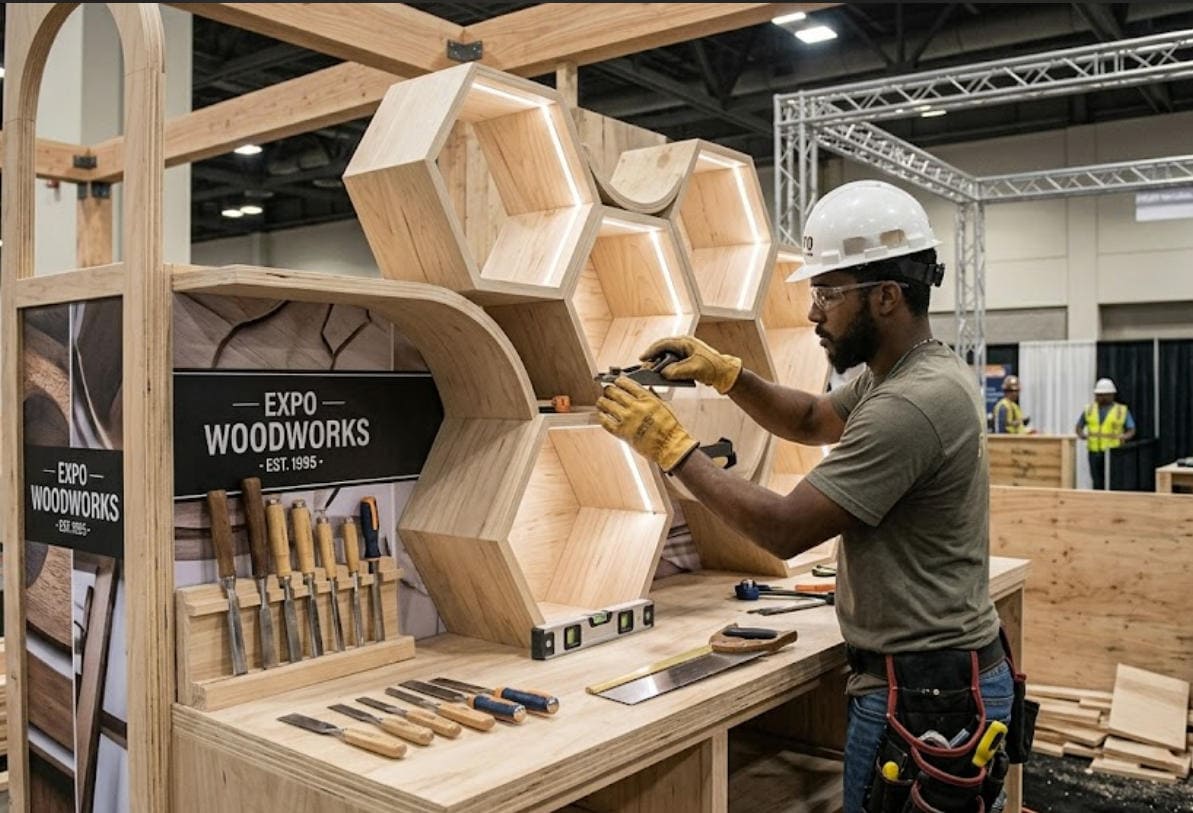
When I build a schedule, I start with the move-in date. Then I work backward through shipping, packing, production, final drawings, compliance review, design approval, and concept work. This method shows whether the current timeline is realistic. It also shows where the client must make decisions quickly.
I do not give one universal number because booth projects are not the same. A small inline booth with standard parts is different from a large custom island booth with meeting rooms, hanging signs, product demos, storage, lighting, and special finishes. A repeat client with clear brand files is different from a first-time exhibitor with several internal review layers. A local shipment is different from a long-distance freight plan.
I use this planning view:
| Booth Situation | Timeline Pressure Level | What I Watch First |
|---|---|---|
| Small and simple booth | Lower, but still deadline based | Show forms, graphics, freight |
| Medium custom booth | Moderate to high | Design approval, production drawings, logistics |
| Large custom booth | High | Compliance review, fabrication time, move-in limits |
| First U.S. show | Often higher | EAC, drayage, labor rules, show manual deadlines |
| Many internal decision makers | Higher | Approval speed and change control |
If a client comes early, I can help protect design quality. We can compare options. We can check the show rules before the design becomes too fixed. We can plan freight with fewer surprises. We can also reduce the chance of rush charges. If a client comes late, I first check what is still realistic. I may recommend simplifying the booth, reducing custom features, using available materials, or focusing on the areas that matter most for brand impact. I do this because a realistic booth delivered on time is better than an ambitious booth that cannot pass review or reach the hall on schedule.
How Do I Keep The Timeline Under Control Without Turning The Project Into A Hard Sell?
I know clients do not want fear. They want control. I try to make the project clear instead of dramatic.
I keep the timeline under control by assigning responsibility, confirming deadlines, checking show rules, locking decisions, and communicating across time zones. A full-service process helps when it connects each task, but the real value comes from clear ownership and steady follow-up.
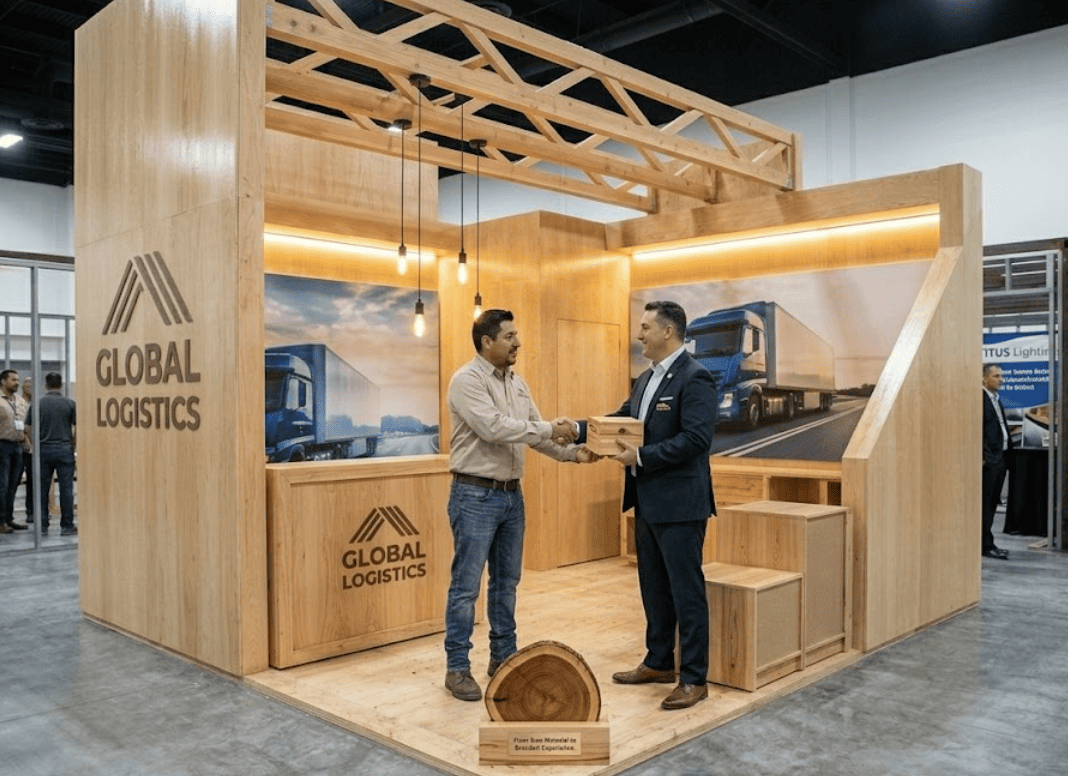
I focus on responsibility, not sales language
I have seen booth projects become difficult when too many vendors handle separate pieces without one shared schedule. The designer may finish the concept. The fabricator may wait for drawings. The freight company may wait for packing details. The installer may wait for labor information. The client may think everything is moving, but each team may be waiting for another team.
I use a simple control map:
| Responsibility Area | Who Must Be Clear | What I Confirm |
|---|---|---|
| Design | Client and exhibit team | Final layout, brand details, revision limits |
| Fabrication | Production team | Materials, drawings, finish quality, packing |
| Compliance | Project manager and show contacts | Show manual, EAC, venue and official contractor rules |
| Logistics | Freight and project team | Ship date, delivery point, drayage rules, storage |
| On-site build | Installation team | Move-in time, labor scope, issue response |
This is where my hands-on experience matters. At Pioneer Exhibits, my team works through design, fabrication, logistics coordination, and on-site support. I do not mention this as a hard sell. I mention it because timeline control depends on linked decisions. If a design change affects production, the production team must know quickly. If the show manual affects booth height or material choice, the design team must know before the plan is locked. If freight timing changes, the installation team must know before move-in.
I also keep communication simple for international clients. I write clear action items. I name the deadline. I explain the reason. I know that time zones can slow decisions, so I avoid vague questions. I ask for direct approval when direct approval is needed. I ask for files in the correct format before the print deadline. This steady communication reduces stress because the client can see what is done, what is open, and what needs attention next.
Conclusion
I plan booth timelines around the full project, not only installation days. Early decisions, rule checks, and clear ownership protect the show result.